A logo is one part of a brand identity. Before designing a website, a business also needs a clear description of its offer, a reason for customers to trust it, and a consistent way to communicate. Writing these decisions down reduces contradictory copy and revisions later.
Explain who you help and how
Write a plain sentence: “We help this customer solve this problem through this service.” Make it specific enough for a potential customer to recognise their need. A business can serve several markets without claiming to do everything for everyone. Separate the shared offer from details that vary by market.
A provider working from Oman and remotely abroad can explain its base, working hours, delivery process, and supported languages. It does not need invented offices in every city. Clear expectations help customers more than a list of locations used only as search keywords.
Show evidence you can support
Collect approved project images, your role in each project, and what you delivered. Distinguish live products from prototypes and design concepts from screenshots of working software. These labels help visitors assess your work fairly.
Use testimonials with permission and retain the original wording or an approved edit. Without measured results, explain the problem, constraints, and decisions instead. Do not describe a personal project as client work or claim revenue improvements that you have not measured.
Make the identity usable in both languages
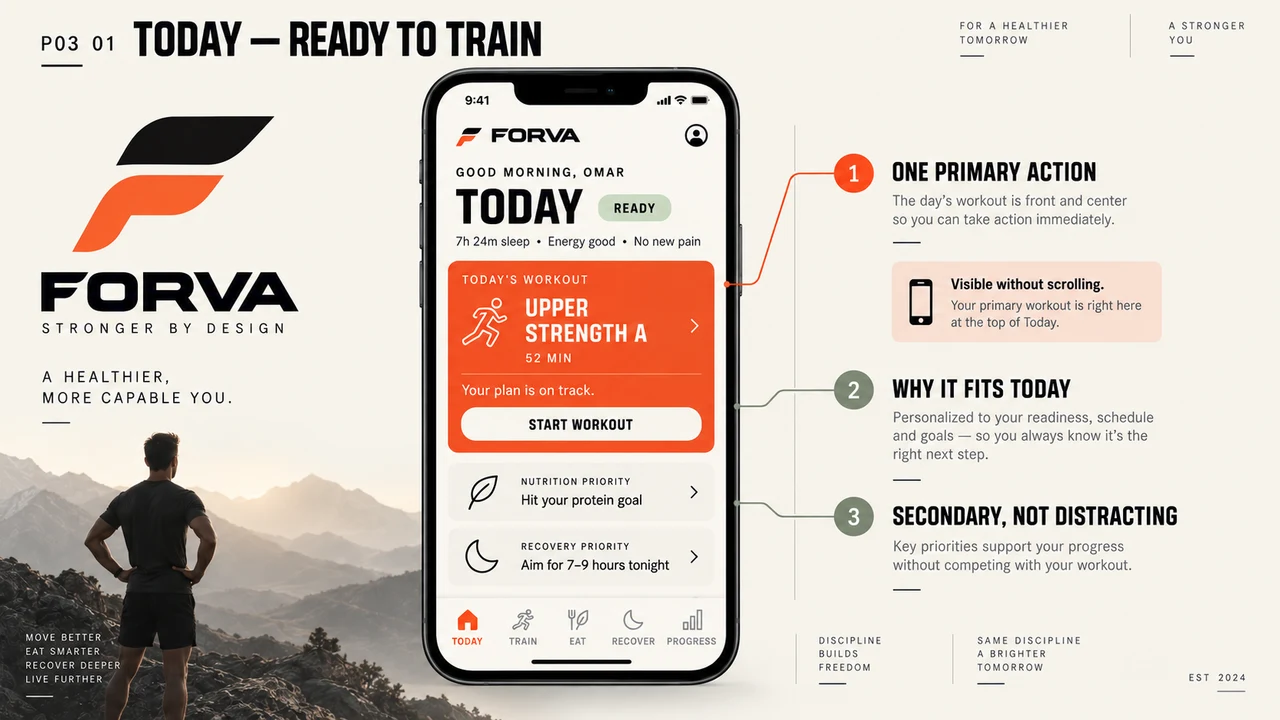
Prepare logo versions, a small colour palette, readable typography, and examples of headings, buttons, and imagery. Test small sizes and light and dark backgrounds. A visual direction that looks good in a presentation must still work on a phone.
For Arabic and English, agree on a shared meaning and adapt the wording naturally. Review names, numerals, line breaks, and right-to-left layouts. Protect brand names from accidental automatic translation. Literal translation is not always the clearest message for a customer.
- A positioning statement and short business introduction.
- Approved service names and tone of voice.
- Digital logo files and usage examples.
- Colour and typography guidance.
- Approved images and reviewed bilingual text.
Hand over a system that people can use
Ask for organised assets and a short guide showing which version belongs where. Confirm that fonts and images are licensed for their intended use. Agree who can edit source files and how future changes will be approved. A folder full of unexplained versions creates avoidable mistakes.
Use consistent language across your website, proposals, social profiles, and contact messages. After launch, helpful articles can explain the questions behind your services without repeating slogans on every page. Build the content around customer decisions, not the need to fill a publishing calendar.
Common questions
Must the identity be finished before development?
Stabilise the audience, offer, name, basic visual direction, and content plan. Details can evolve, but changing the whole positioning late often means rewriting the site.
Can one identity serve local and international customers?
Yes. Keep the identity consistent while adapting language, examples, and delivery details. Separate regional brands only for a real business reason.