An MVP is a small usable version of a product that helps test an important assumption. It is not every feature delivered with less polish. Before commissioning app development, decide whose problem matters most and what evidence would justify building further.
Choose one user and one repeatable task
Describe a situation rather than a broad audience. “A manager needs to assign a new enquiry before the end of the day” is more useful than “an app for businesses.” Write the steps from the trigger to a successful result. This gives design and development a shared target.
Ask how people complete that task today. A spreadsheet or messaging group may already handle part of the job well. Improve a specific difficulty, such as missing information or unclear ownership, rather than copying every feature of an established platform.
Test the flow before building the system
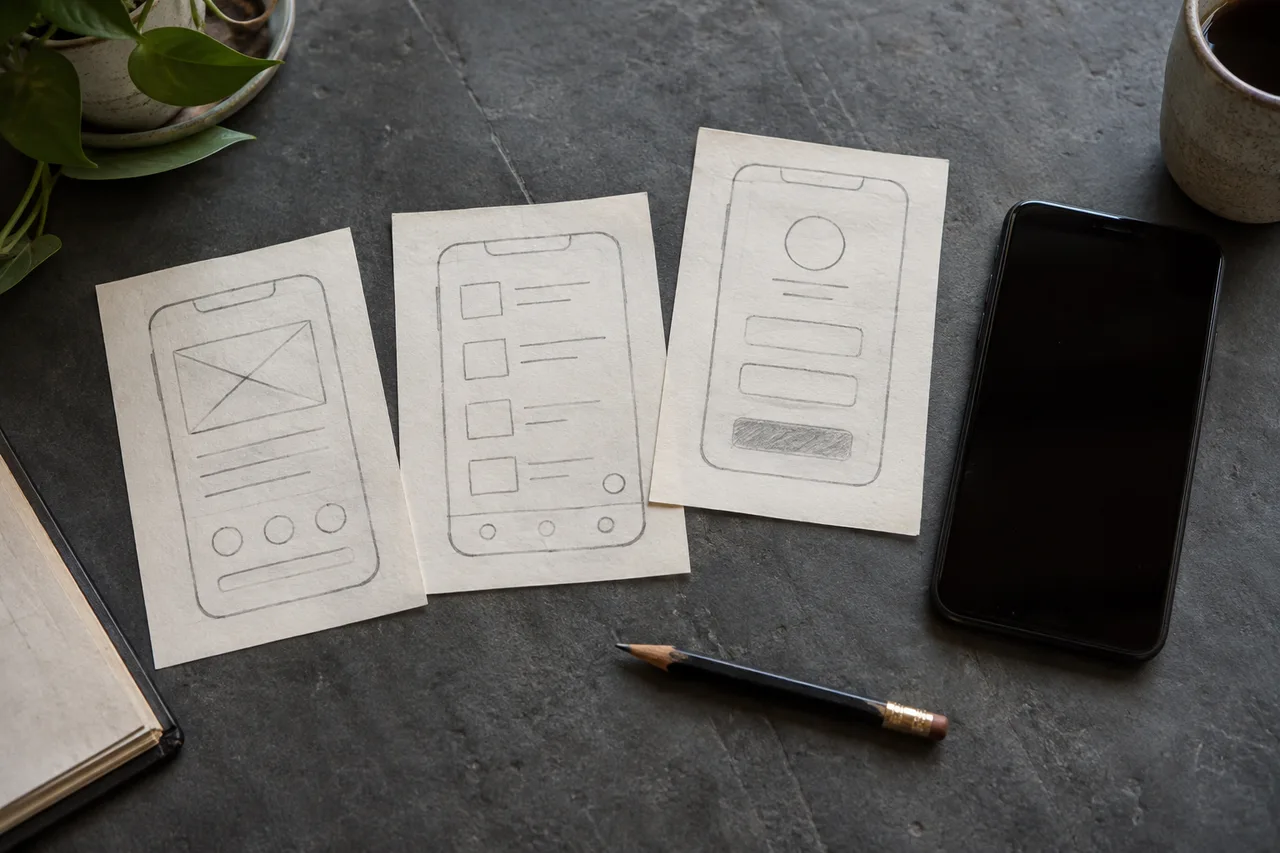
A clickable prototype can reveal confusing labels and missing steps before you connect a database. Give a potential user a task and observe where they hesitate. Avoid explaining every screen during the test; that hides problems the real product will need to solve.
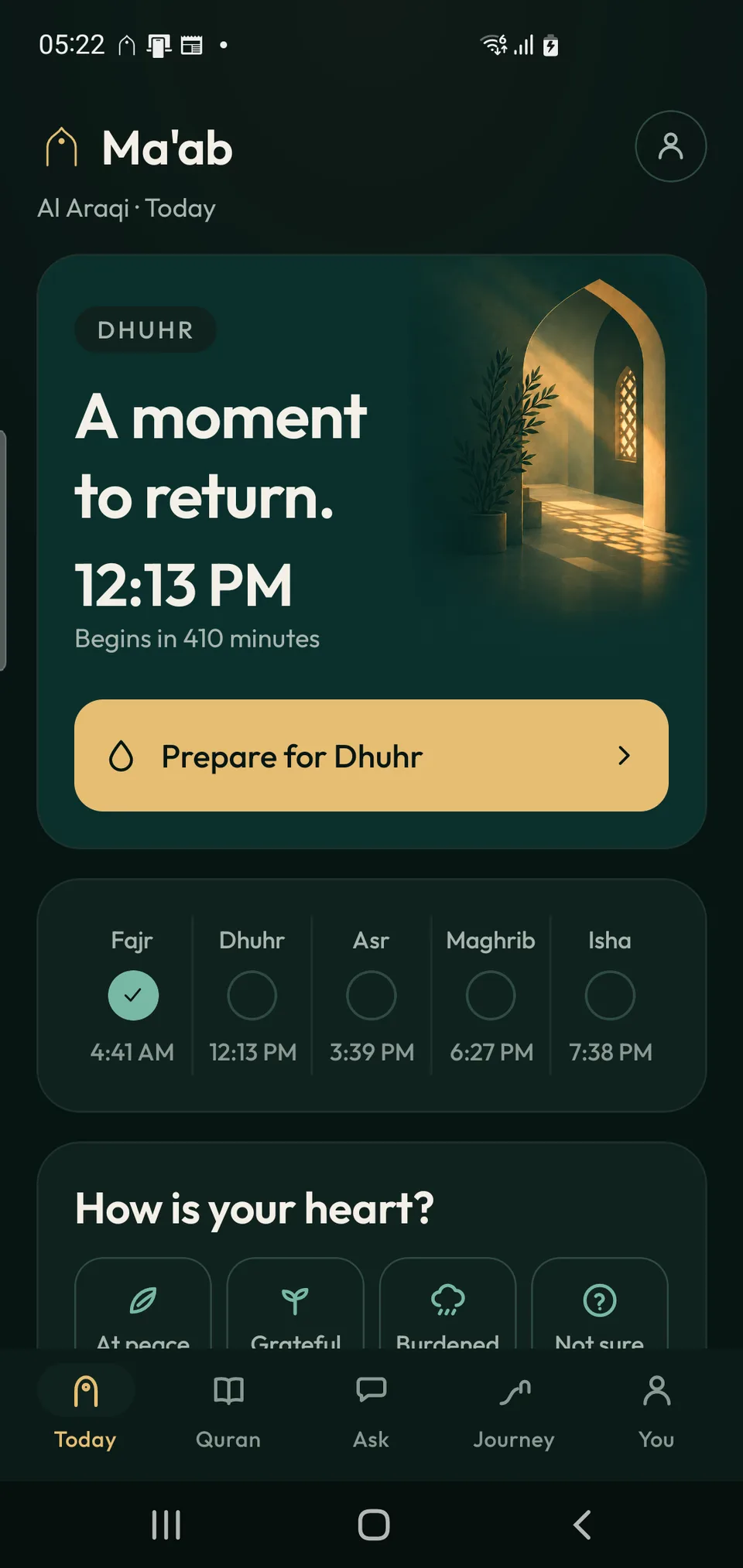
For an Arabic–English product, test both experiences. Buttons, dates, and phone-number fields may need different presentation. Include empty, loading, error, and completed states so you are reviewing the entire journey. A polished home screen alone cannot validate the product.
Separate essential features from later ideas
Make three lists: necessary for the task, necessary to operate reliably, and useful later. Access control, backups, deletion, support, and failure handling may belong in the first release even when they are not headline features. Agree who is responsible for each.
Choose web or mobile delivery based on actual use. A responsive web app can suit a workflow opened from a link. Device-specific functions or distribution requirements may change that choice. Ask for the reasoning behind the platform and the ongoing costs it introduces.
- Write acceptance criteria using realistic inputs and expected results.
- Identify account roles, integrations, and data ownership.
- Document features excluded from the first release.
- Choose a pilot measure, such as completed tasks or repeat use.
End the pilot with a decision
Invite a manageable group to use the product for a real task. Record where they stop, what they do outside the app, and which requests repeat. Distinguish a workflow problem from a colour preference. Fix blocked tasks before adding another feature category.
Decide whether the evidence supports improving the flow, broadening the audience, or rethinking the idea. If the real need is simply explaining a service and receiving enquiries, a website may be a more appropriate first deliverable.
Common questions
How long should an MVP take?
It depends on integrations, data handling, platform choice, and review availability. Request milestones tied to working journeys rather than a deadline based only on screen count.
Should AI be in the first release?
Only if it helps test the core assumption. A standard form or rule may solve the task more predictably.